

How Childhood Trauma Shows Up in Adult Relationships, Even Healthy Ones
A healthy relationship doesn’t automatically erase the patterns you learned growing up. You can trust your partner and still panic when their tone changes, struggle to ask for what you need, or assume conflict means the relationship is ending

Why Childhood Trauma Can Make You a High Achiever as an Adult
Not every adult affected by childhood trauma looks like they’re falling apart. Some become incredibly capable, successful, and dependable. Achievement may have once helped you feel safe, valued, or in control, but it can become exhausting when your worth still depends on how much you accomplish.

Why Rest Makes You Feel Guilty When You're Used to Being Productive
Feeling guilty when you try to relax means your nervous system learned that slowing down isn't safe. For many, productivity became tied to self-worth. Healing means realizing you deserve rest simply because you are human, not because you earned it first.

7 Signs Your Childhood Is Still Affecting You as an Adult (Even If It Didn't Feel "That Bad")
Trauma isn't always obvious. Many adults minimize childhood experiences that quietly shaped them. If you constantly feel responsible for others, struggle to rest, or never feel good enough, your past is still affecting you. You don't have to prove your experiences were "bad enough" to deserve support.

You Understand Your Trauma. So Why Do You Still Feel Stuck?
You may understand your trauma, but insight alone doesn't change how your nervous system responds. Knowing you are safe and actually feeling safe are two different things. If you still feel stuck, you are not broken. Your body simply needs new experiences to truly heal.

What Healing From Trauma Actually Feels Like (It's Probably Not What You Expect)
Most expect healing from trauma to be a sudden breakthrough where the pain vanishes, but in reality, it is much quieter. Small, ordinary moments like pausing before reacting, resting without guilt, or saying no without spiraling are the biggest signs your nervous system is feeling safe. Healing is simply about becoming more fully yourself.

Our New Therapy Office in Fair Oaks: Why Every Detail Was Designed With Healing in Mind
We recently moved into a new therapy office in Fair Oaks — and every single detail was designed with healing in mind. From the natural light to the calming colors, the comfortable seating to the carefully chosen artwork, nothing was picked by accident. When someone walks through our door for the first time, we want them to feel safe before the session even begins. Because healing doesn't just happen in the conversation — it starts the moment your nervous system recognizes it's somewhere it doesn't have to be on guard.

Why August Is the Best Time to Start Therapy Before Life Gets Busy
If you've been telling yourself you'll start therapy once life calms down, you're not alone. But the truth is, life rarely slows down on its own — it just changes. August is one of the best times to begin therapy because it gives you the opportunity to build real support before the busy fall season arrives. You don't have to be in crisis to deserve help. Starting now means building the foundation before your nervous system is completely overwhelmed — and that head start can make all the difference.

Why You Can Hold It Together at Work but Fall Apart When You Get Home
You get through the workday just fine — calm, dependable, on top of everything. But the moment you walk through your front door, you completely fall apart. You're exhausted, irritable, and emotionally empty. If this sounds familiar, you're not lazy or dramatic. It's actually your nervous system doing exactly what it has learned to do. When the structure and demands of the workday disappear, everything you've been holding in finally surfaces. For many people, this pattern is rooted in high-functioning anxiety, childhood trauma, and a nervous system that never truly felt safe enough to rest.

Why Two People Can Experience the Same Trauma and Be Impacted Differently
Two people can experience similar painful events and walk away impacted very differently. Trauma isn’t only about the event itself; it’s also about whether someone had emotional support, safety, connection, and protective factors while it was happening.

How to Break Generational Trauma Patterns Without Blaming Yourself or Your Family
Many people trying to break generational trauma are still holding themselves to impossible standards while doing it. Healing isn’t about becoming perfect or never repeating a mistake — it’s about creating more awareness, safety, and flexibility in the patterns you carry forward.
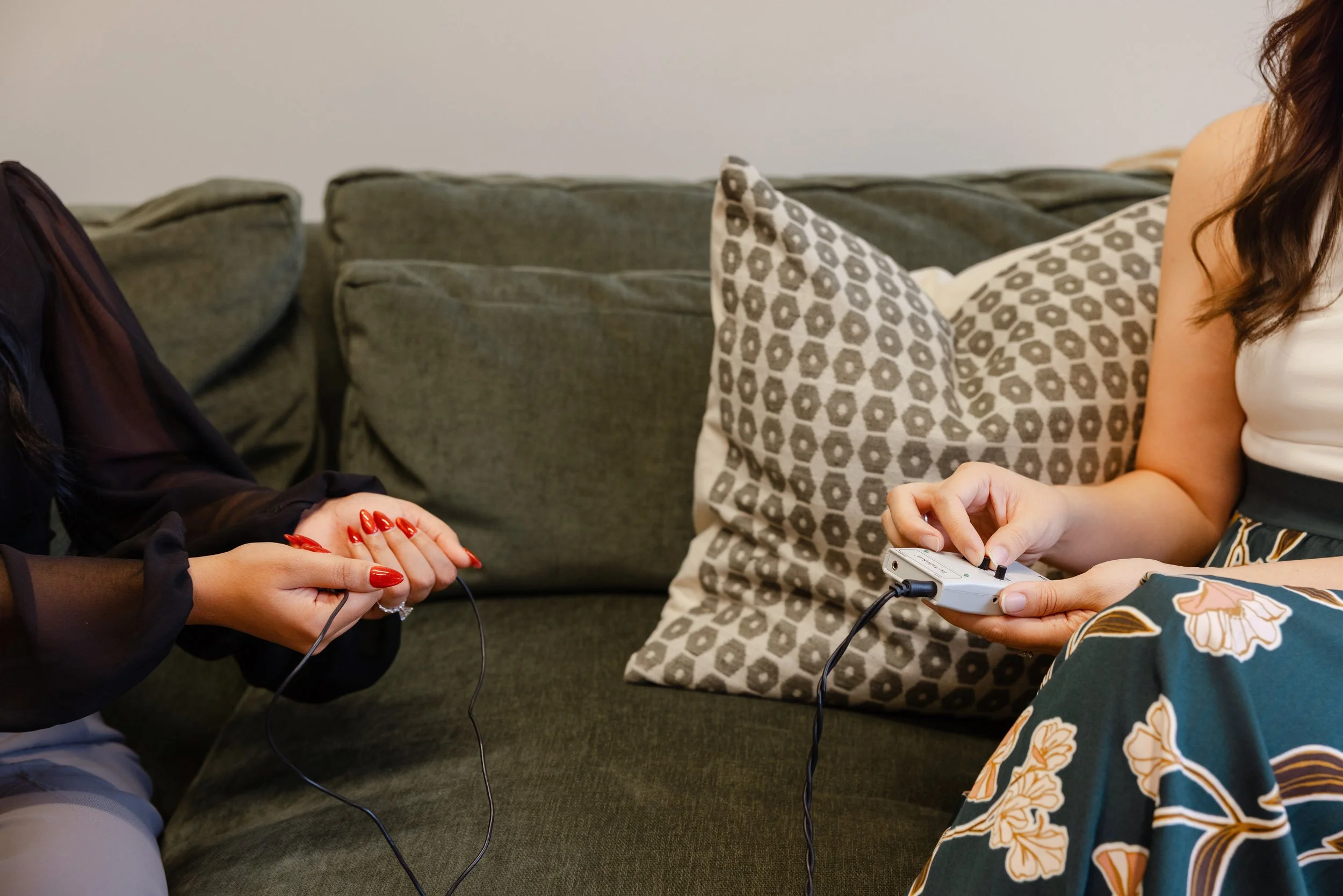
What EMDR Therapy Actually Feels Like: Returning to EMDR Training 8 Years Later
Eight years after my original EMDR training, I returned for a refresher course and was reminded firsthand why EMDR therapy can feel so transformative. From processing my own distressing memory to experiencing EMDR virtually, this training reinforced something I deeply believe: healing doesn’t come from the therapist “fixing” you; it comes from within.

Why We No Longer Accept Insurance for Therapy (And What That Means for You)
If you've ever wondered why some therapists don't take insurance, here's an honest look at what that means — and how it can actually support deeper healing.

Returning to Work After Trauma Leave: How to Navigate the Transition Without Overwhelm
Going back to work after trauma leave isn't just about "getting back to normal." Here's how to navigate the transition in a way that actually supports your nervous system.

How EMDR Therapy Helps with People-Pleasing and Over-Responsibility
You know you need better boundaries.
You just don’t know why your body panics when you try to set them.
People-pleasing isn’t just a habit, it’s often a trauma response. Learn how EMDR therapy helps your nervous system feel safe enough to stop over-functioning in relationships.

EMDR Therapy for Childhood Emotional Neglect: When You Weren't Allowed to Have Needs
If having needs feels uncomfortable (or even wrong) this might go deeper than you think. Here's how EMDR therapy can help you reconnect with yourself.
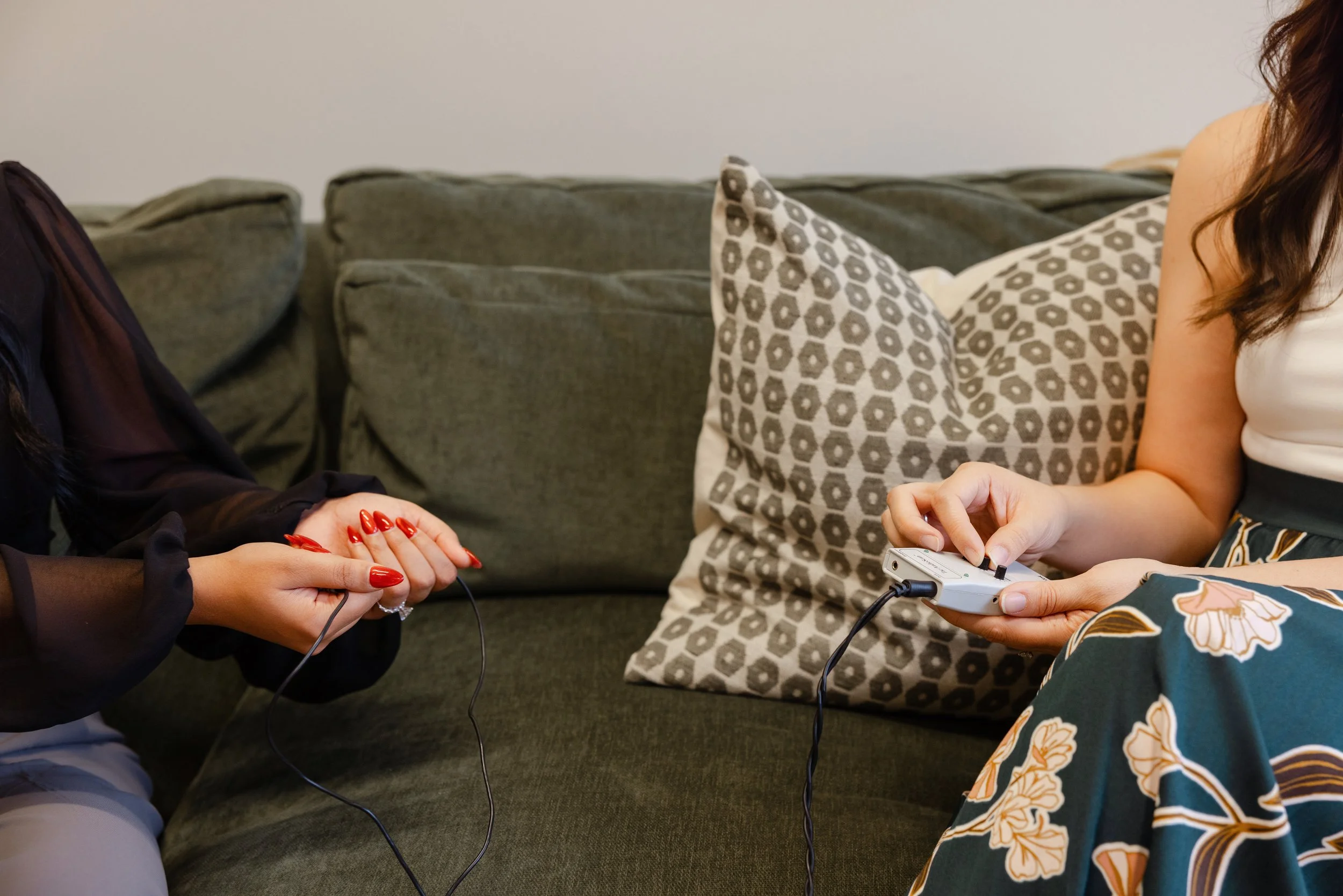
What Is Bilateral Stimulation? Understanding How EMDR Helps the Brain Process Trauma
Learn how bilateral stimulation works in EMDR therapy and why it helps the brain process trauma, reduce emotional overwhelm, and support nervous system healing.

Why You Feel “Off” Even When Nothing Is Wrong: Subtle Trauma Symptoms in Adults
You’re functioning. You’re responsible. You’re holding it together. So why do you still feel anxious, irritable, disconnected, or slightly “off”? Many adults live with subtle trauma symptoms without realizing it. Trauma doesn’t always look dramatic; it can show up as overthinking, people-pleasing, emotional numbness, or a nervous system that never fully relaxes. In this post, we explore why you might feel “off” even when nothing seems obviously wrong & how trauma-informed therapy can help.

How Chaos in Childhood Wires You for Adult Burnout
If you grew up in a home that felt unpredictable, emotionally intense, or unstable, your nervous system may still be operating in survival mode, even decades later. This post explores how chronic childhood stress can wire you for adult burnout, and why rest might feel unsafe even when you’re exhausted. Learn how trauma-informed therapy can help you shift from surviving to truly living.

EMDR Therapy: Why Talk Therapy Hasn’t Fully Helped (And What Can)
If you understand your anxiety but still feel stuck, EMDR therapy may help where talk therapy hasn’t. Learn how EMDR supports deeper nervous-system healing.