

Why Rest Makes You Feel Guilty When You're Used to Being Productive
Feeling guilty when you try to relax means your nervous system learned that slowing down isn't safe. For many, productivity became tied to self-worth. Healing means realizing you deserve rest simply because you are human, not because you earned it first.

7 Signs Your Childhood Is Still Affecting You as an Adult (Even If It Didn't Feel "That Bad")
Trauma isn't always obvious. Many adults minimize childhood experiences that quietly shaped them. If you constantly feel responsible for others, struggle to rest, or never feel good enough, your past is still affecting you. You don't have to prove your experiences were "bad enough" to deserve support.

You Understand Your Trauma. So Why Do You Still Feel Stuck?
You may understand your trauma, but insight alone doesn't change how your nervous system responds. Knowing you are safe and actually feeling safe are two different things. If you still feel stuck, you are not broken. Your body simply needs new experiences to truly heal.

How to Break Generational Trauma Patterns Without Blaming Yourself or Your Family
Many people trying to break generational trauma are still holding themselves to impossible standards while doing it. Healing isn’t about becoming perfect or never repeating a mistake — it’s about creating more awareness, safety, and flexibility in the patterns you carry forward.

EMDR Therapy for Childhood Emotional Neglect: When You Weren't Allowed to Have Needs
If having needs feels uncomfortable (or even wrong) this might go deeper than you think. Here's how EMDR therapy can help you reconnect with yourself.
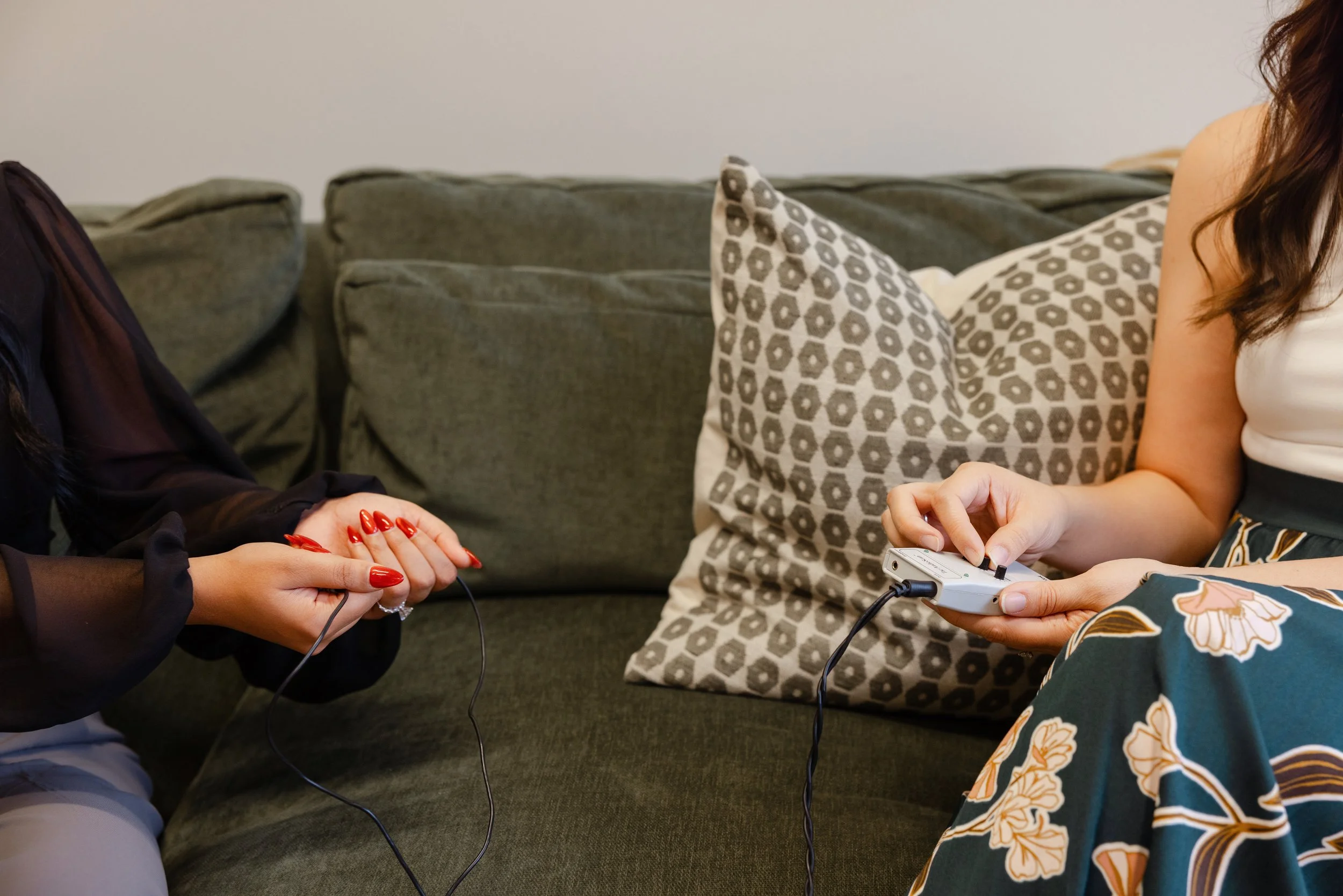
What Is Bilateral Stimulation? Understanding How EMDR Helps the Brain Process Trauma
Learn how bilateral stimulation works in EMDR therapy and why it helps the brain process trauma, reduce emotional overwhelm, and support nervous system healing.

Why You Feel “Off” Even When Nothing Is Wrong: Subtle Trauma Symptoms in Adults
You’re functioning. You’re responsible. You’re holding it together. So why do you still feel anxious, irritable, disconnected, or slightly “off”? Many adults live with subtle trauma symptoms without realizing it. Trauma doesn’t always look dramatic; it can show up as overthinking, people-pleasing, emotional numbness, or a nervous system that never fully relaxes. In this post, we explore why you might feel “off” even when nothing seems obviously wrong & how trauma-informed therapy can help.

Why Facing Discomfort Is the Key to Healing Your Past
Avoiding uncomfortable feelings may seem like protection, but it often keeps old wounds alive. Healing begins when we face discomfort with compassion. In this post, we’ll explore why sitting with difficult emotions is the key to processing past pain, breaking free from people pleasing behavior, and finding true freedom.

How Trauma Affects Decision-Making and Risk-Taking
Trauma doesn’t just affect your past—it shapes how you make choices today. Many people who’ve experienced trauma find themselves stuck in patterns that lead to avoiding risks. These patterns often come from your nervous system trying to keep you safe. In this post, we’ll explore how trauma impacts decision-making, why it feels so hard to stop being a people pleaser, and how therapy can help reduce anxiety and build confidence in your choices.

People Pleasing: Why It’s So Hard to Stop (and How Therapy Can Help)
Struggling with people pleasing? Learn why it happens, how it drains you, and how trauma-informed therapy can help you set healthy boundaries and reconnect with yourself.